
80s AI Video Generator
80s AI video from one photo of you: a VHS-style living-room clip or a neon arcade clip, 5 seconds, vertical, with sound. 63 credits, quoted first.
The 80s AI Video Generator turns one photo of you into a short clip that looks like 1980s home video: you wave from a sofa in a wood-panelled living room, or play a cabinet in a neon arcade. MiniMax H3 Max draws a new scene around your photo and asks for a worn-tape look. In our living-room clip the picture came out in a rounded black frame with a warm cast, and in our arcade clip in a rounded black frame with a neon glow; the rolling tracking lines did not appear in the living-room clip. 5 seconds at 480P is 63 credits, about $0.62 on the $9.90 first pack, quoted before you generate.
- From 63 credits per clip
- From your photos
- 5s / 10s / 15s
- 480P
- Audio available
Sample result
5s · MP4 Your photo
About 80s AI video on Cicadas
The 80s AI video trend recasts you as footage from a family camcorder or an arcade night: soft colour, a bit of wobble, big hair and denim. This page makes it from a single photo. Pick the living room or the arcade, add one clear photo of yourself, and MiniMax H3 Max draws a vertical clip of 5 seconds by default, with sound. The photo is a reference, not the first frame, so you are drawn into a new set rather than filtered. It does not age a video you filmed, and it uses no real tape, film or song.
For a different decade of looks, the AI outfit change video switches your clothes on a spin. For a crowded office concert with a band behind you, see Tiny Desk AI; to dance from your photo, the AI dance video generator. To write the scene yourself, use AI reference to video; the MiniMax H3 page lists what the model behind this page costs per second. The two prompts word for word, and the take that came out clean and modern, are in 1980s photo prompt: two tested 80s home-video prompts. Which trends worked and which did not, with every clip, is in AI video trends, November 2026: we tested seven from one photo.
80s AI video examples made on Cicadas
Living room on tape: a wave and a cassette.
MiniMax H3 Max reference to video, 5 seconds at 480P with sound, vertical, from the site's sample photo of a woman. In a wood-panelled living room with a floor lamp and a boxy television she smiles, waves, laughs, reaches down and holds up a cassette. The picture sits inside a rounded black frame with a warm cast. It differs from the prompt in two ways: the picture stays fairly sharp, with no rolling tracking lines, and she wears the mustard sweater and hair from her photo, not a pastel sweater and a 1980s blow-dry. The sound was not listened to.
- Your photo
Arcade night: play, turn, grin, fist.
MiniMax H3 Max reference to video, 5 seconds at 480P with sound, vertical, from the site's sample photo of a man. In a dim arcade lit by pink and blue neon he plays a cabinet with both hands, turns to the camera, grins and raises a fist. He wears a denim jacket and a striped T-shirt with feathered hair, as the prompt asks. The picture has a rounded black frame and a neon glow at the edges. It differs from the prompt in one way: the cabinet marquees carry made-up lettering although the prompt asks for no text. The sound was not listened to.
 Your photo
Why use Cicadas for 80s AI video
One photo, a 1980s scene
The model places you on a corduroy sofa in a wood-panelled room, or at an arcade cabinet under pink and blue neon, and the scene asks it to keep your face. Clothes and hair are where the scenes and the model part ways: the arcade man was given the denim jacket, striped T-shirt and feathered hair the scene asks for, while the living-room woman kept the mustard sweater and hair of her photo instead of the pastel sweater and blow-dry.
What the tape look gets right
Both clips came out in a rounded black frame: the living-room clip with a warm cast, the arcade clip with a pink and blue neon glow. The actions the scenes ask for are there too: a wave and a cassette held up in the living room, a grin and a raised fist in the arcade. Treat it as a stylised look, not a copy of real tape.
What it gets wrong
The picture stays fairly sharp. The living-room scene lists worn-tape defects in detail (rolling tracking lines, colour bleed, noise along the bottom edge), and we still saw no rolling lines. Our first living-room take, with a lighter description of the tape look, came out as a clean modern picture and is not shown here. If you want heavier grain, add it in your editor afterwards.
Price before you generate
A 5-second clip at 480P costs 63 credits; choose 10 seconds for 125 or 15 seconds for 188. At 768P the three lengths are 100, 200 and 300. The number is shown on the button before you generate, and credits for a failed job are returned.
How to use 80s AI video
- 01
Sign in and pick a scene: Living room tape or Arcade night.
- 02
Add one clear, well-lit photo of yourself, keep 5 seconds or choose 10 or 15, and check the quote.
- 03
Tick the photo confirmation, generate, and download the MP4 from My videos; add grain or a title in your editor.
Why the tape look needs a long prompt
Asked lightly for a VHS look, the model drew a clean modern picture: our first living-room take did exactly that. The published scene names the defects one by one, and the result gained a rounded black frame and a warm cast, but stayed fairly sharp, with no tracking lines. The scenes here are fixed for that reason; they are the wording we kept after two living-room takes and one arcade take.
The photo to start from
A front-facing photo in even light, with the whole face visible and nobody else in the frame. Both scenes ask the model to keep your face, so the sharper it is, the more of it stays. Hair and clothes may be redrawn: our arcade clip got the 1980s outfit, while the living-room clip kept the photo's own sweater and hair.
Other looks from the same photo
To change outfits on a spin, try the AI outfit change video; for a desk concert with a band behind you, Tiny Desk AI.
80s AI video prompt ideas
These are the tested scenes on this page. Each scene is fixed and its prompt is read-only: pick one above, or press “Use this prompt”.
“Vertical, one continuous handheld shot of worn 1980s VHS home video footage, as if copied from an old tape: low resolution and blurry, washed-out faded colours with a warm yellow cast, red and blue colour bleeding around edges, horizontal tracking lines rolling through the picture, flickering noise along the bottom edge, and the image wobbles now and then. The person from Image 1 sits on a brown corduroy sofa in a wood-panelled living room with a floor lamp and a boxy television, wearing a pastel knitted sweater and high-waisted jeans, with their hair styled in a big 1980s blow-dry. They notice the camera, laugh, and wave at it, then hold up a cassette tape to show it. Keep their face exactly as in the photo. The camera sways a little as if held by a family member. Sound: tape hiss, a muffled room and a short laugh, no music. No on-screen date, no text, no logos.”
“Vertical, one continuous handheld shot that looks like 1980s VHS camcorder footage: soft focus, slightly faded colours with neon glow bleeding at the edges, faint tracking lines. The person from Image 1 stands at an arcade cabinet in a dim 1980s arcade lit by pink and blue neon, wearing a denim jacket with rolled sleeves and a striped T-shirt, with feathered 1980s hair. They play with both hands on the joystick and buttons, then turn to the camera, grin and raise one fist in victory. Keep their face exactly as in the photo. The camera sways a little. Sound: arcade bleeps, coins dropping and tape hiss, no music. The cabinet screens show only abstract coloured shapes. No text, no logos.”
80s AI video FAQ
Tested on Cicadas · reviewed 2026-11-10
Local implementation, 2026-11-10. Two locked MiniMax H3 Max reference-to-video scenes from one photo, recorded from the site's sample woman and sample man, 5 seconds at 480P, vertical, sound on, USD 0.25 each (docs/research/claude-trends-20261110/). The living-room clip uses the second take: the first, with a lighter tape description, was a clean modern picture and is not shown. The living-room clip shows no rolling tracking lines; the living-room woman keeps her own sweater and hair; the arcade cabinets carry made-up lettering. Not run: 10 and 15 seconds, 768P. The audio was measured, not listened to. Photos of children and public figures are excluded by the page's consent line.
Updated Nov 10, 2026 · How we test
Related guides
Related tools
 MiniMax H3 Max · Recorded Cicadas sample
AI Action Figure Video
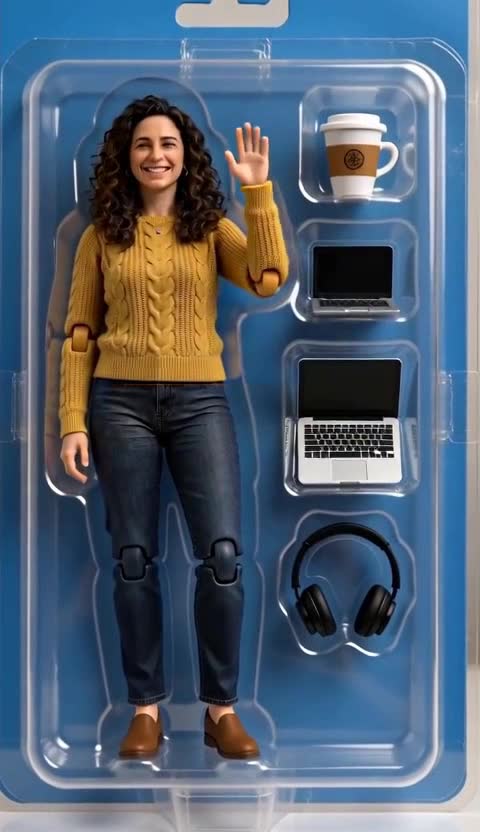
AI action figure video from one photo of you: a toy version of yourself in a blister box or stepping out of a toy box. 5 s vertical with sound, 63 credits.
MiniMax H3 Max · from 63 credits
Tested 2026-11-10
 MiniMax H3 Max · Recorded Cicadas sample
Earth Zoom Out AI
Earth zoom out AI from one photo of you: the camera rises from a park or a rooftop through the city and clouds to the whole Earth. Vertical, 63 credits.
MiniMax H3 Max · from 63 credits
Tested 2026-11-10
 MiniMax H3 Max · Recorded Cicadas sample
AI Outfit Change Video
AI outfit change from one photo of you or your dog: a spin, a new outfit, a second spin and another look in one 10-second vertical clip. 125 credits.
MiniMax H3 Max · from 63 credits
Tested 2026-11-04
 MiniMax H3 Max · Recorded Cicadas sample
Tiny Desk AI Video
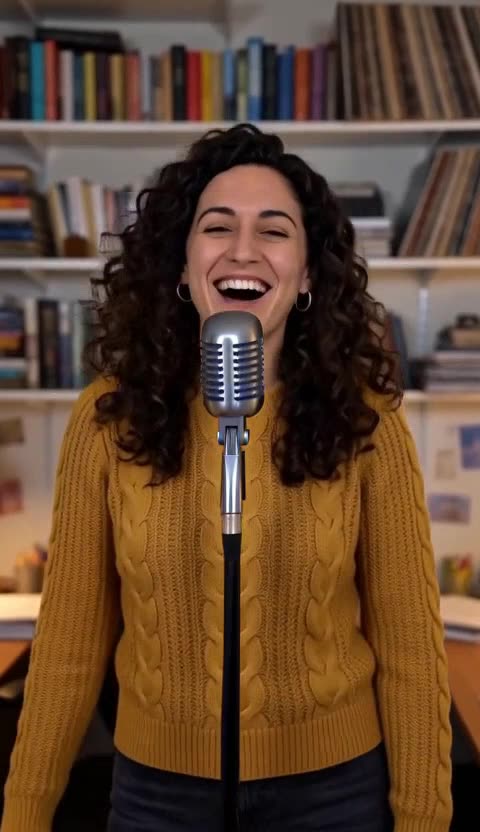
Tiny Desk AI: make the Tiny Desk meme from one photo, you or your pet on the mic, a band in black behind a crowded desk and a sax solo. 125 credits for 10 s.
MiniMax H3 Max · from 63 credits
Tested 2026-11-03
More AI video trends
- Hug My Younger Self AI
- Meet Your Older Self AI
- AI Grow Up Video Generator
- AI Hug Video Generator
- AI Birthday Video Maker
- Talking Pet AI
- Pet to Human AI
- Rainbow Bridge AI Video
- AI Age Progression Video
- AI Cat Video Generator
- AI Dog Video Generator
- Gangnam Style AI Dance
- AI Halloween Video Generator
- Rumpelstiltskin AI video
- Cat Jam AI
- AI Pet Halloween Costume
- AI Outfit Change Video
- Caught at the Window AI
- AI Halloween Costume
- Flying Car AI Video
- AI Cat Dance
- Bad Times AI
- AI Muscle Video
- Clapping Cat AI
- AI Couple Video
- AI Santa Video Generator
- AI Diwali Video Generator
- AI Thanksgiving Video
- AI Christmas Video Generator
- AI Elf Video Generator
- AI New Year Video Generator
- Chinese New Year AI Video
- AI Valentine Video Generator
- AI Easter Video
- Mother's Day AI Video
- Father's Day AI Video
- AI Anniversary Video Maker
- AI Graduation Video
- Burning Bridges AI Video
- Tiny Desk AI Video
- Dog Dance AI
- AI Action Figure Video
- Earth Zoom Out AI
- Car Alarm AI Dance
- Bulin 47 AI
- Gender Reveal Video Maker
- Raindance AI
- Babydoll Dance AI
- AI dance video
- Gas Station Dance AI
- Hotel Lobby AI
- AI Zombie Trend
- Zombie Couple Video
- Human Pigeon AI
- Heads Will Roll Dance AI
- Popcorn Volcano AI Video
- AI ASMR video
- AI Bigfoot video
- AI rap video
- All AI video trends