
Tools compared
What 255 AI Video Samples Cost Us, and the Flaws We Logged in 123 of Them
Every sample video on Cicadas is a real generation with a request ID. What 255 of them cost by model, per second, and the 123 flaws we wrote down, counted by kind.
Video examples here were generated on Cicadas and keep their model, settings and date. Cicadas earns money when you generate with these models. How we test
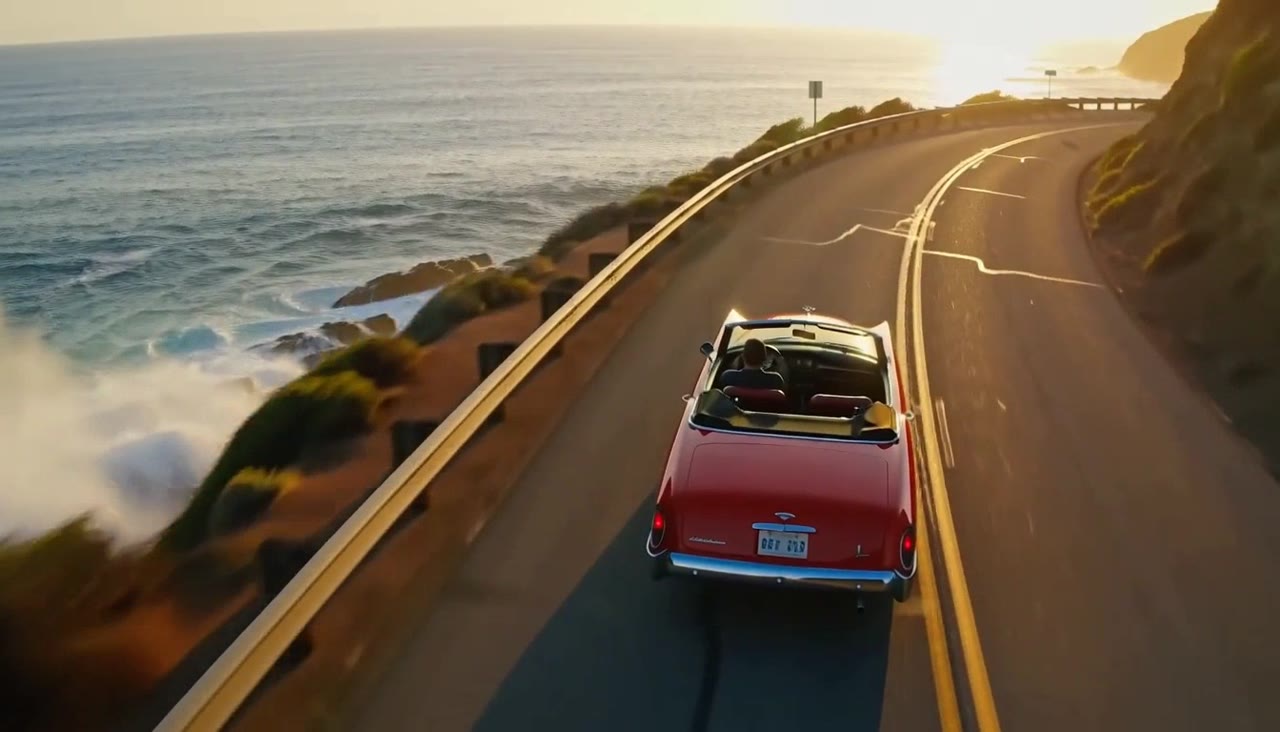
Every sample video on Cicadas was made by us — most through the same pages a visitor uses, some sent by script straight to the same provider endpoint with the page's settings — and kept with its model, settings, date, provider cost and request ID. On 2026-11-05 there were 255 of them on the site, across 97 tool and model pages, made between 2026-09-08 and 2026-11-05. This article adds them up: what they cost, by model and per second, and what went wrong in them, counted from the notes we published next to each clip.
We make Cicadas and earn money when credits are spent on these models, so read the numbers with that in mind. Every clip below can be opened in the test log on our methodology page and played in the showcase.
1. What 255 clips cost, by model
The costs are the provider's list price for each request, not what a visitor pays in credits. 226 of the 255 are estimates worked out from the list price and the clip's length and resolution; the other 29 carry a cost we did not mark as an estimate. None of it is a reconciled bill.
| Model | Clips | Seconds | Cost | Per second |
|---|---|---|---|---|
| MiniMax H3 Max | 177 | 1,035 | $52.83 | $0.051 |
| Seedance 2.5 | 11 | 44 | $14.75 | $0.335 |
| Veo 3.1 Fast | 11 | 76 | $10.30 | $0.136 |
| Kling 3.0 Pro | 11 | 55 | $6.16 | $0.112 |
| Gemini Omni Flash | 8 | 34 | $3.40 | $0.100 |
| Seedance 2.0 | 5 | 20 | $3.39 | $0.170 |
| Wan 3.0 | 4 | 20 | $2.80 | $0.140 |
| LTX 2.5 Fast | 5 | 30 | $2.70 | $0.090 |
| Grok Imagine 1.5 | 4 | 20 | $2.20 | $0.110 |
| Wan 2.7 | 4 | 20 | $2.00 | $0.100 |
| FLUX 3 | 2 | 10 | $1.70 | $0.170 |
| Kling 4.0 | 2 | 10 | $1.58 | $0.158 |
| Vidu Q3 | 2 | 10 | $1.12 | $0.112 |
| Vidu Q4 | 2 | 10 | $0.49 | $0.049 |
| PixVerse V6 | 2 | 10 | $0.46 | $0.046 |
| Luma Ray 3.2 | 2 | 10 | $0.45 | $0.045 |
| Grok Imagine 1.5 Lite | 3 | 15 | $0.41 | $0.027 |
| All | 255 | 1,429 | $106.74 | $0.075 |
Three things stand out.
- One model made most of the clips. MiniMax H3 Max made 177 of the 255, because it takes reference photos and makes sound in the same request, which most of our photo pages need. 160 of its 177 clips have sound. At about $0.051 a second at its list price, it is also one of the cheaper models we use. If you want to try it, it is on the MiniMax H3 page.
- Seedance 2.5 costs the most. About $0.335 a second, over six times H3 Max. Its 11 clips cost $14.75, more than Veo 3.1 Fast's 11 clips ($10.30), which are about 1.7 times as long in total.
- Short clips keep it cheap. Most clips are 5 seconds; the 255 add up to 1,429 seconds, under 24 minutes of video.
These are provider prices. What a clip costs you on a given site is a different number: each platform sets its own credits and its own price per credit. Our AI video cost index reads those prices from each platform's own pages, side by side.
2. The flaws we wrote down
Each clip that has a clear problem carries a "Watch for" note on its page, written from the clip itself, not from the prompt. 124 of the 255 clips have one. One of those notes only records that the Luma Ray 3.2 coffee clip is silent, which is the setting we chose for it, so it is not counted as a flaw. We sorted the other 123 notes by what went wrong. Each note counts once, under its main problem.
| What went wrong | Notes |
|---|---|
| Sound or voice not as asked | 44 |
| Motion or action not as asked | 28 |
| Camera, framing or cuts | 16 |
| Faces, likeness and proportions | 13 |
| Objects added, moved or changed | 11 |
| Look and sharpness | 7 |
| Garbled lettering | 4 |
Sound is the biggest problem
44 of the 123 notes are about sound. Inside that group:
- Music nobody asked for: 12 clips. On the coastal-drive clip, "the model added piano-like music on its own" (MiniMax H3 Max). On the beach-horse clip, Wan 3.0 played "electronic music instead of hoofbeats". On the Gemini Omni Flash bookshop clip, "ambient music instead of rain and thunder".
- A different sound, or the asked-for sound missing: 19 clips. The mountain-train clip from MiniMax H3 Max has "a loud roar, not a train"; the Seedance 2.0 night-market clip has "a low roar, not market chatter"; the H3 Max Santa clip at the door has "no sleigh bells in the sound although the prompt asked for them".
- Voices and mouths that do not match: 9 clips. On one talking-pet clip, "we asked for a dry, unimpressed voice and got a clear, polite one"; on a lip-sync clip, "the mouth keeps moving for about half a second after the voice stops".
- Close to silent: 4 clips, including the MiniMax H3 Max Thanksgiving table clip: "close to silent: the room has almost no sound".
That is why our sound descriptions come from the audio, not from the prompt. An automated listening model describes each track; when two listeners disagree, the note says so ("one of two listeners heard some music after the cheering"). Our test of sound across models shows the same pattern prompt by prompt.
Motion, camera and faces
- Motion (28). The model does less, or something looser, than the prompt lists: "the moves are loose, not the exact list in the prompt" on a dance clip; "the light barely moves, so it reads almost as a still" on FLUX 3.
- Camera and cuts (16). Cuts and camera moves nobody asked for: Grok Imagine 1.5 "cuts between three camera angles instead of one shot"; a Kling 3.0 Pro clip "follows the photo's 3:4 shape, not the 9:16 setting".
- Faces and proportions (13). "The worker's face and hair change partway through" (Wan 3.0); on the human-pigeon bench clip, "the head is much larger than a real pigeon's".
- Lettering (4). Only four notes, because few of our scenes have signs; where they do, expect made-up letters, for example "garbled lettering on the neon signs" on Seedance 2.0.
MiniMax H3 Max carries 83 of the 123 notes, 47% of its 177 clips; the other models together carry 40 notes on 78 clips. That is a count of notes, not a ranking: H3 made most of our harder photo, dance and voice scenes, and some models have only two clips.
3. What we check before a clip goes on a page
The full process is on the methodology page. In short:
- Generate with the page's settings, usually through the product from a test account, sometimes by script to the same provider endpoint.
- Record where it came from: model, mode, length, resolution, aspect ratio, audio setting, date, provider cost and request ID.
- Check the file: decode the whole MP4, confirm its length and dimensions, and confirm there is an audio track when sound was asked for.
- Look and listen: frames across the whole clip, and the sound described by an automated listener. Where a clip has captions, they describe what the track contains, not what the prompt asked for.
- Publish it with its flaw: the "Watch for" note above.
We also shrink the files before they go on a page. The three trend scenes we added on 2026-11-05 came back at several megabytes each and went up at 0.5 to 0.8 MB.
4. What we throw away
A clip that fails the checks does not go on a page. The table of failed and rejected runs covers late September; these runs are not in it:
- 2026-09-08, our first test batch: a four-second first-and-last-frame clip showed ghosting and was rejected; an eight-second version with a revised prompt was accepted.
- 2026-11-05: a closing-door prank scene came back, but the gag did not land, so it was dropped. Its cost is still in our spend for the day.
- A flying-car kickflip: MiniMax H3 Max failed it in both of two tries, so the page has no kickflip scene.
When a paid generation fails on Cicadas itself, its credits come back. When we throw a clip away because it is not good enough, we pay for it ourselves.
Where to go next
Four posts take one corner of this record further, each with its own recordings, frame checks or prices read at the source:
- How to make a human pigeon AI video: six tries at the pigeon-with-a-human-face meme, and what each prompt did to the head.
- Is Hailuo AI free?: the free credits and plans on Hailuo's own pages, and what a MiniMax H3 clip costs there and elsewhere.
- We ran 8 kinds of logo through 6 animations: a free tool, so the test cost nothing but time; what survives the GIF.
- How to make an elf video from a photo: five recorded elf clips, their prompts and what went wrong.
Frequently asked questions
How much did the 255 sample videos cost?
$106.74 at the provider's list price for each request, for 1,429 seconds of video made between 2026-09-08 and 2026-11-05. That is about $0.075 a second across all models. 226 of the 255 costs are estimates from the list price, not reconciled bills.
Which model was cheapest and which was most expensive per second?
In our samples, Grok Imagine 1.5 Lite was cheapest at about $0.027 a second and Seedance 2.5 the most expensive at about $0.335 a second. MiniMax H3 Max, which made 177 of the 255 clips, came to about $0.051 a second.
What goes wrong most often in AI video?
Sound. 44 of the 123 flaws we logged are about sound or voice: music the prompt did not ask for (12 clips), a different sound effect or none at all (19), voices and mouths that do not match (9) and tracks that are close to silent (4).
Do the costs in this article match what I pay on Cicadas?
No. They are what the model provider lists for each request. On Cicadas you pay credits, and the quote shows before you generate; a 5-second MiniMax H3 Max clip at 480P is 63 credits. The AI video cost index compares what each platform charges per clip.
Are these samples a fair ranking of the models?
No. They are clips we chose to make for particular pages, with up to 177 clips for one model and 2 for others. Too few per model to rank them, which is why we publish the cost and the flaw of each clip rather than a score.
Where can I see every clip and its request ID?
On the methodology page, in the test log, newest first, with date, model, settings, provider cost and request ID. Failed and rejected runs from September are listed on the same page.